
Interior House Painting
Preparation, protection, finish choices, and scheduling explained in practical terms.
Interior residential and commercial painting
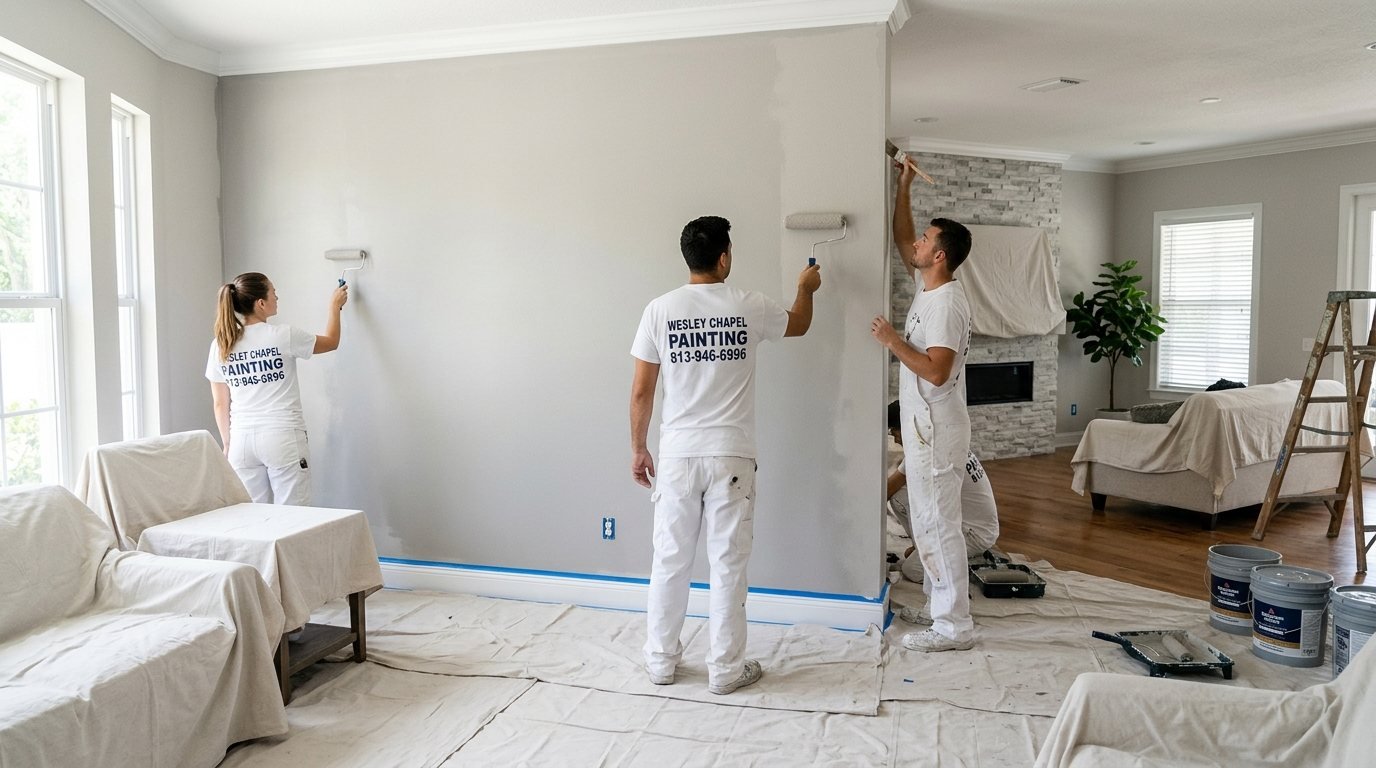
Clean lines, sound preparation, protected work areas, and a practical schedule for occupied homes, move-ins, rentals, offices, and commercial interiors.
Common calls
Painting services
Preparation, protection, finish choices, and scheduling explained in practical terms.
Preparation, protection, finish choices, and scheduling explained in practical terms.
Preparation, protection, finish choices, and scheduling explained in practical terms.
Preparation, protection, finish choices, and scheduling explained in practical terms.
Preparation, protection, finish choices, and scheduling explained in practical terms.
Preparation, protection, finish choices, and scheduling explained in practical terms.
Before paint goes on
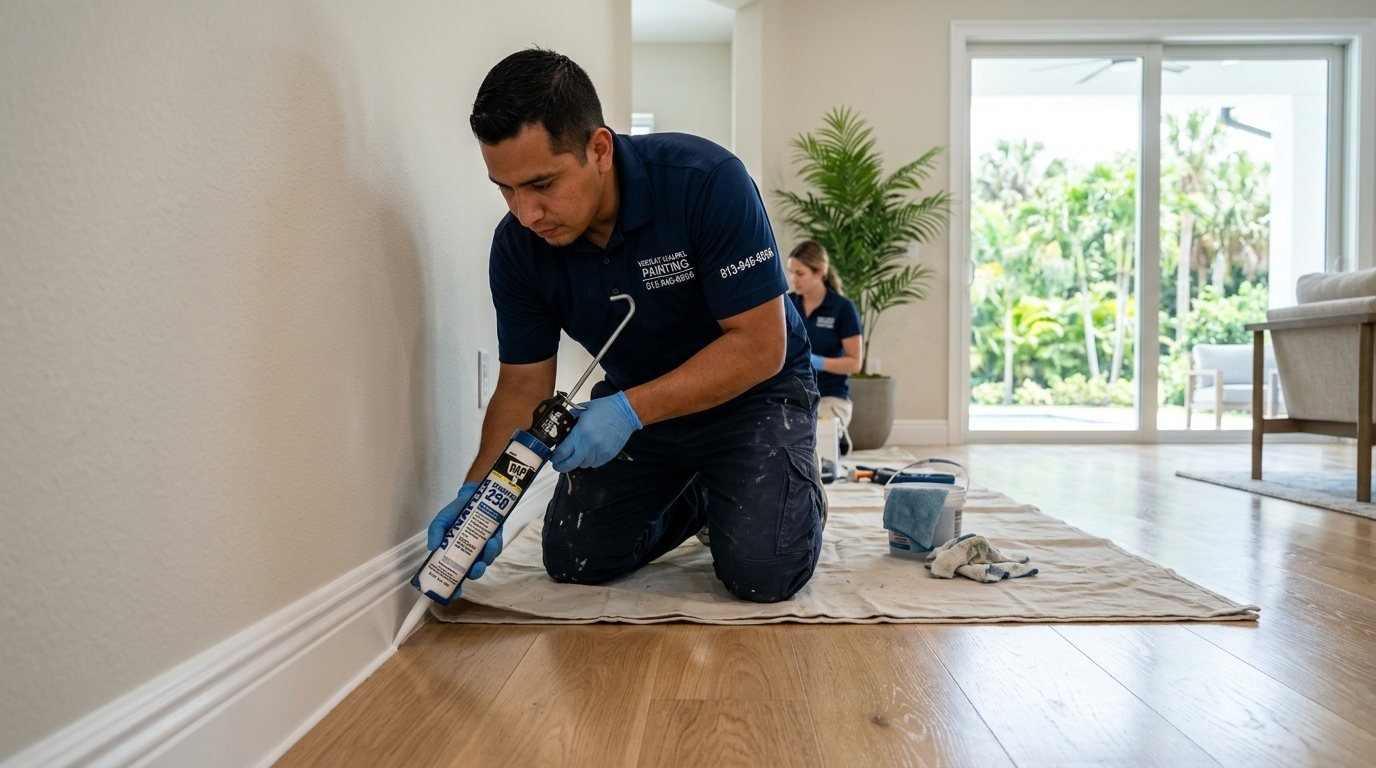
Paint cannot correct loose drywall, active moisture, greasy residue, failing caulk, or a patch that was never sanded flat. We look at the condition underneath the color and explain which repairs belong in the painting scope.
That may include filling nail holes, rebuilding minor patches, sanding ridges, cleaning problem areas, spot priming stains, or recommending another trade first when the source is outside painting.
Occupied spaces
We plan room access, furniture, pets, customer flow, staff needs, drying time, and daily cleanup before work begins. Large projects can be phased so the entire property is not disrupted at once.
For commercial interiors, scheduling can be arranged around operating needs when the scope allows. For homes, we help establish a logical room sequence so you can plan around the work.
Where we work
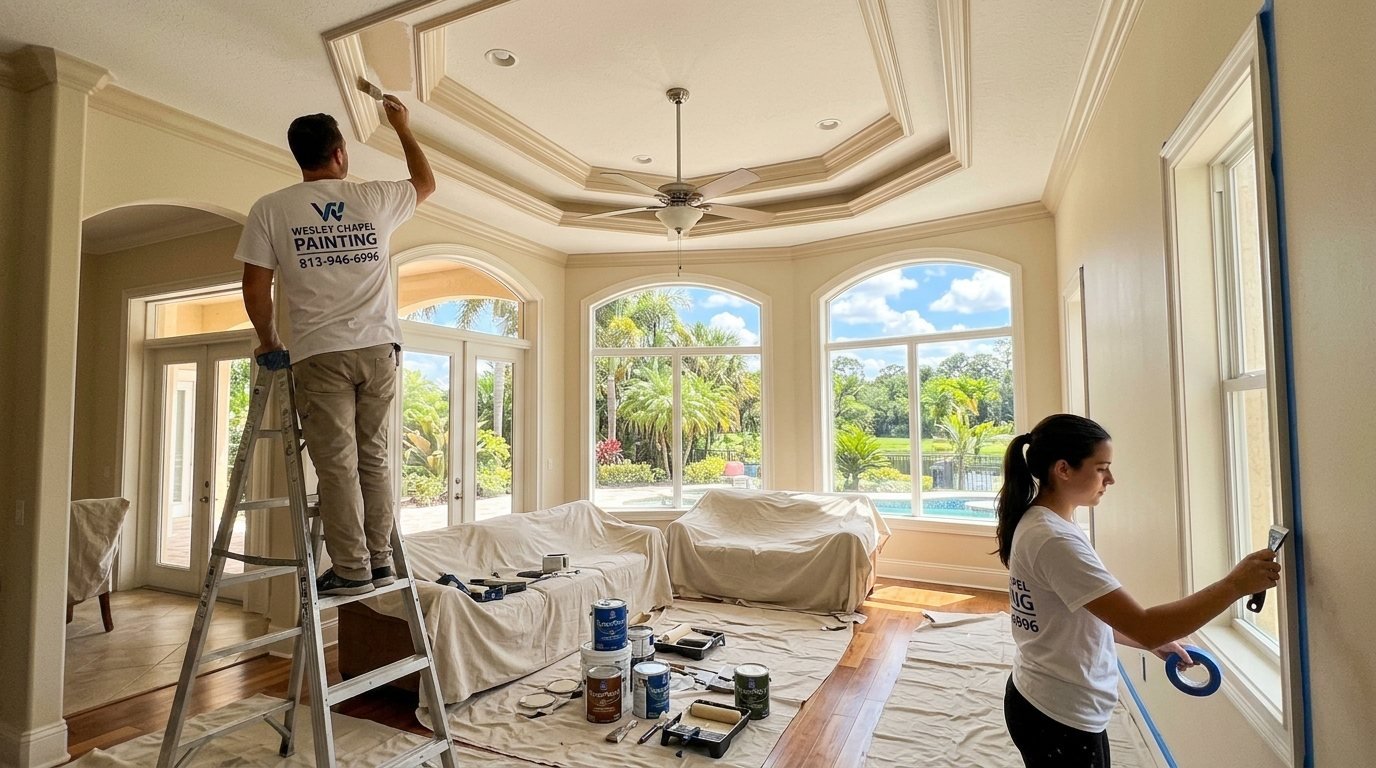
From newer homes with builder-grade finishes to offices, rentals, and established properties with prior repairs, we adapt preparation and coatings to the actual surface. Explore our service areas or call to check scheduling for your address.
Call or text with the rooms, surfaces, current condition, and preferred timing. We will help you plan the next step.
Every successful project starts with a defined scope. We separate walls, ceilings, trim, doors, closets, cabinets, and repairs so it is clear which surfaces are included. We also review strong color changes, sheen changes, stains, and areas where previous touchups may affect coverage.
Before work begins, homeowners should identify fragile items, wall-mounted electronics, window treatments, and rooms that need to remain available. Commercial clients should note customer hours, employee work zones, alarm procedures, deliveries, and any sensitive equipment. These details shape the sequence and help the project move without unnecessary disruption.
During preparation, we protect floors and nearby surfaces, address agreed minor repairs, sand where needed, clean problem areas, and prime surfaces that require it. Finish coats are applied only after the base is sound. Coverage and sheen are checked under normal room lighting because daylight, recessed lighting, and lamps can reveal different conditions.
A one-room repaint may be enough when the surrounding spaces still feel coordinated and the existing coating is in good condition. A whole-house update may make more sense after a move, renovation, long period of wear, or when several rooms have disconnected colors and uneven touchups. We can discuss the practical difference between these approaches without pushing a larger project than the property needs.
Cabinets, trim, doors, and ceilings should be considered separately from walls. They often require different preparation, products, tools, and drying time. In bathrooms and kitchens, washability and moisture exposure matter. In rentals, offices, hallways, and waiting areas, durability and future maintenance may matter more than a delicate designer finish.
Call or text with the property type, approximate room count, visible damage, and preferred timing. Photos can help us understand the condition before arranging the next step.